


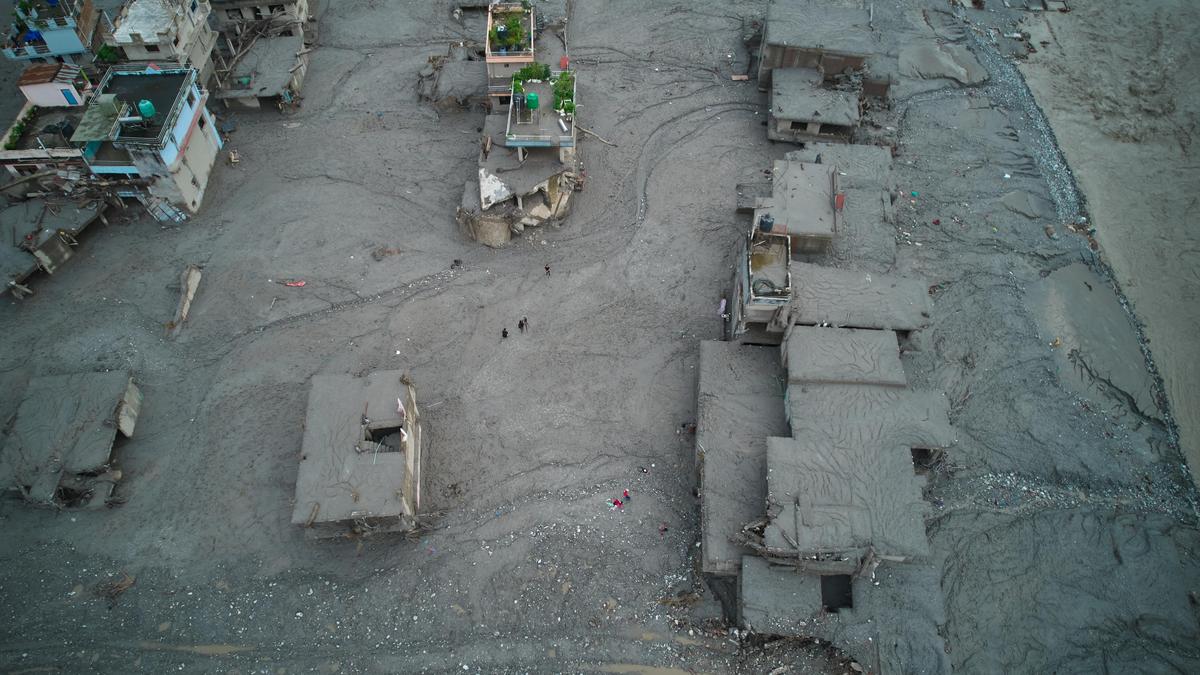
Himalayan Floods Prompt Urgent Call for Enhanced Regional Disaster Preparedness in South Asia
South Asia Faces Increasing Need for Collaborative Disaster Management Strategies
In the wake of devastating floods in the Himalayan region, South Asian nations are under mounting pressure to strengthen their regional disaster preparedness and response systems. The catastrophic floods have not only caused significant loss of life and property but also highlighted the urgent need for a coordinated approach to manage natural disasters that transcend national borders.
Experts emphasize that the recent floods serve as a stark reminder of the vulnerabilities faced by communities living in one of the world's most disaster-prone areas. There is a growing consensus on the necessity for South Asian countries to unite and develop comprehensive, cross-border disaster management frameworks.
- Severe Impact: The floods have resulted in the displacement of thousands, destruction of infrastructure, and significant environmental damage.
- Regional Cooperation: Calls for improved data sharing, joint emergency response exercises, and the establishment of a regional disaster management fund are gaining momentum.
- Climate Change Factor: Experts point to climate change as a critical factor exacerbating the frequency and severity of such disasters, urging governments to integrate climate resilience into their planning.
As the affected nations grapple with the aftermath of the floods, the urgency to implement effective disaster preparedness measures becomes increasingly apparent. Addressing this challenge requires not only political will but also collaborative efforts across borders to safeguard the region's future.
In conclusion, the recent Himalayan floods underscore the critical need for South Asian countries to enhance their disaster preparedness and resilience through regional cooperation, strategic planning, and sustainable practices.




 Continue With Google
Comments (0)