


Thailand's Controversial Amnesty Act: A Comprehensive Overview
Thailand has introduced a contentious Amnesty Act, sparking widespread debate and concern across the nation. This legislative move has become a focal point of political discourse, with its implications stirring significant public and political reactions.
Key Details of the Amnesty Act:
- Scope of the Act: The Amnesty Act is designed to pardon individuals involved in political activities, including protests and demonstrations, over recent years. This has raised questions about accountability and justice for past actions.
- Political Repercussions: The Act has drawn criticism from opposition parties and activists who argue that it undermines the rule of law and could potentially absolve individuals involved in serious offenses.
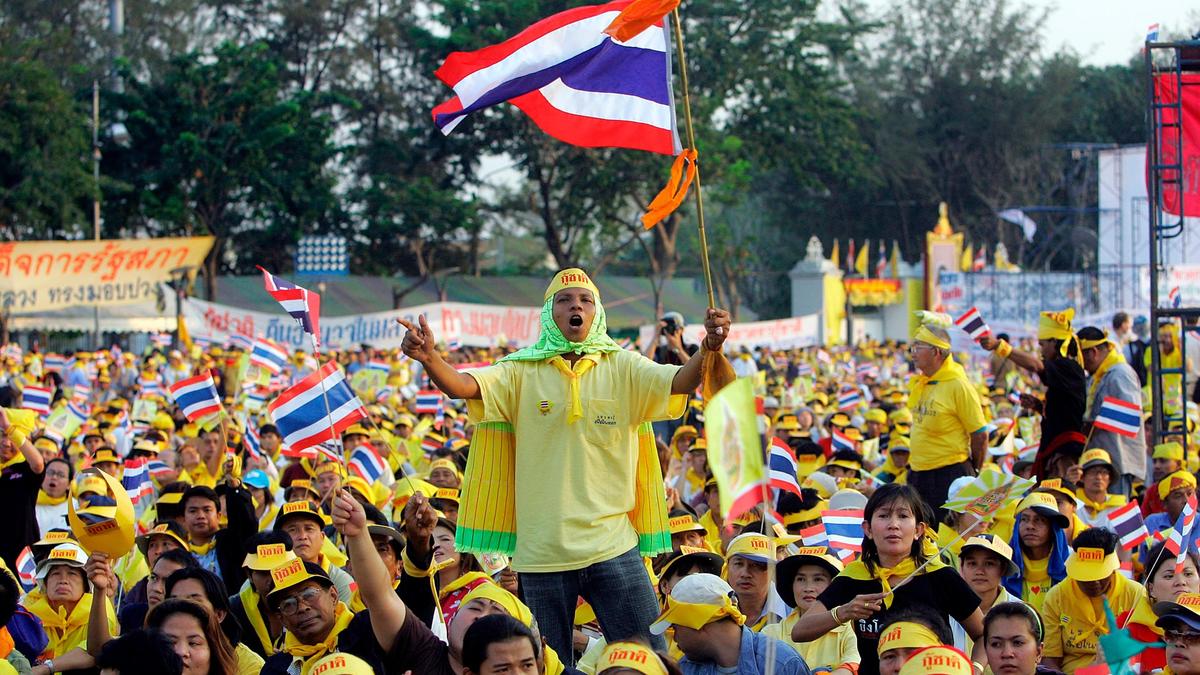
- Public Response: The introduction of the Act has led to public protests, with citizens expressing their concerns over what they perceive as a threat to democratic principles and transparency.
- Government's Stance: Proponents within the government argue that the Amnesty Act is essential for national reconciliation and moving past political turmoil, emphasizing its role in fostering peace and unity.
Important Considerations:
The Amnesty Act requires careful evaluation to ensure it does not set a precedent for impunity. Observers urge the government to engage in dialogue with civil society and ensure that any measures taken align with international human rights standards.
In conclusion, the Amnesty Act remains a polarizing issue within Thailand, with its potential to reshape the political landscape. As debates continue, the nation watches closely to see how this legislation will impact its future.




 Continue With Google
Comments (0)