


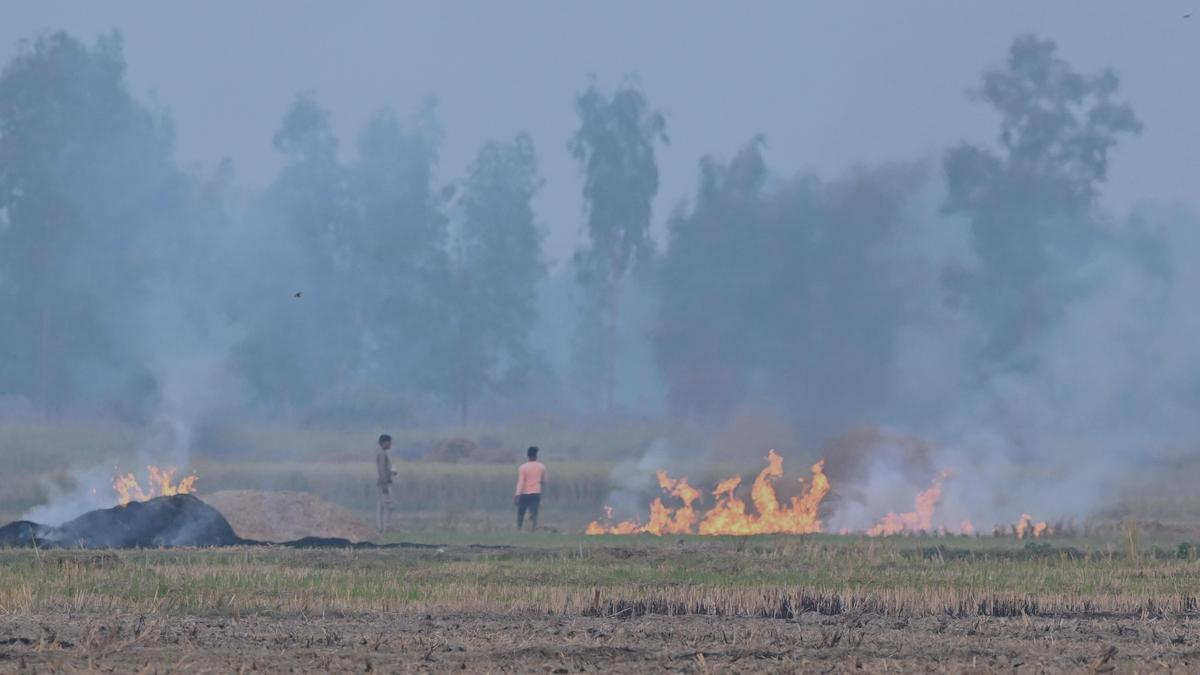
CAQM Partners with Punjab and Haryana to Enhance Stubble Burning Estimation Techniques
New Delhi, India — In a significant move to tackle air pollution, the Commission for Air Quality Management (CAQM) has joined forces with the governments of Punjab and Haryana to refine methods for estimating stubble burning. This collaboration aims to address one of the major contributors to air pollution in the region: agricultural residue burning.
The initiative comes at a crucial time as the post-harvest burning of rice stubble has been a persistent environmental challenge, leading to severe air quality deterioration across northern India. By improving estimation techniques, CAQM, along with state governments, seeks to develop more effective strategies to mitigate its impact.
- Innovative Approaches: The partnership is set to employ advanced technologies and data analysis to monitor and predict stubble burning activities more accurately.
- Collaborative Efforts: Joint teams from CAQM, Punjab, and Haryana will work to integrate satellite data and ground reports for more reliable estimations.
- Policy Implications: Enhanced estimation methods are expected to guide policy decisions and support the implementation of sustainable agricultural practices.
Expert Insight: Environmental experts have long advocated for improved stubble burning estimation methods, highlighting that precise data is crucial for implementing effective control measures and reducing pollution levels. This collaboration marks a proactive step towards achieving those goals.
The initiative underscores the importance of cooperative efforts in addressing environmental challenges and reinforces the commitment of both state and central authorities to improve air quality in the region.
Conclusion: As CAQM, Punjab, and Haryana embark on this collaborative journey, the focus remains on utilizing cutting-edge technology and comprehensive data analysis to tackle the pressing issue of stubble burning. This partnership is expected to pave the way for cleaner air and a healthier environment for millions of residents.

 Continue With Google
Comments (0)