


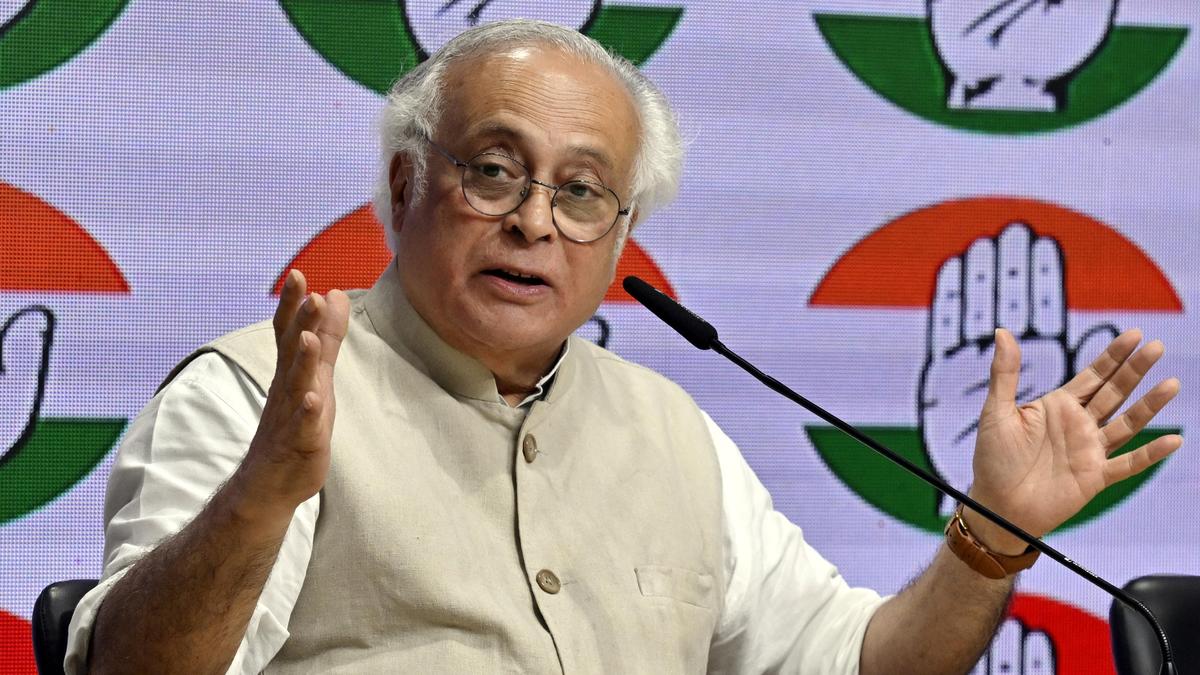
Congress Challenges GDP Figures, Calling Them a Misleading Indicator of Economic Health
Washington, D.C. — In a recent development, Congress has raised concerns over the accuracy of Gross Domestic Product (GDP) figures, suggesting they may not adequately reflect the true state of economic health. Lawmakers are urging a reassessment of how economic success is measured, pointing to potential discrepancies in GDP as an indicator.
During a heated session, several members of Congress criticized the reliance on GDP as the primary metric for economic assessment. They argued that it fails to capture the complexities and nuances of the current economic landscape, potentially leading to misguided policy decisions.
- Complex Economic Realities: Critics emphasize that GDP does not account for income inequality, environmental factors, and quality of life, all of which are crucial indicators of economic well-being.
- Policy Implications: Lawmakers warn that an overreliance on GDP could result in policies that do not address underlying economic issues, such as poverty and unemployment.
- Call for Comprehensive Metrics: There is a growing call for the integration of more comprehensive metrics that offer a better reflection of economic conditions and societal well-being.
In response, some economists and policymakers have defended GDP as a valuable tool for measuring economic output, though they acknowledge the need for supplementary indicators to provide a fuller picture. As the debate continues, Congress is expected to explore alternative metrics that could complement GDP, ensuring more informed policy-making.
As this issue unfolds, it remains to be seen how these discussions will impact future economic strategies and the overall perception of economic health.

 Continue With Google
Comments (0)