


ICMR Study Reveals Potential Link Between Kerala's Well Water and Increased Risk of Amoebic Meningoencephalitis
Thiruvananthapuram, Kerala: A groundbreaking study conducted by the Indian Council of Medical Research (ICMR) has uncovered a concerning connection between well water in Kerala and a heightened risk of amoebic meningoencephalitis, a rare but severe brain infection.
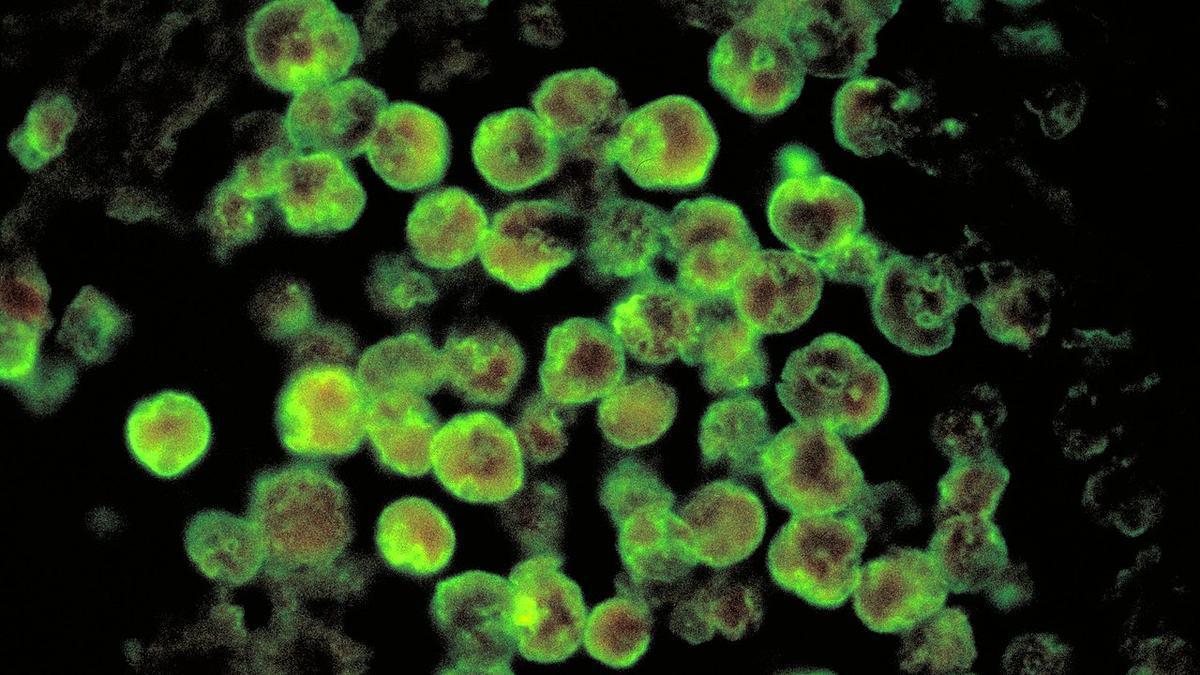
The research indicates that residents relying on well water for their daily needs may be at an increased risk of contracting this life-threatening condition. Amoebic meningoencephalitis is caused by Naegleria fowleri, a free-living amoeba commonly found in warm freshwater sources.
- Key Findings:
- Presence of Naegleria fowleri detected in several well water samples across Kerala.
- Individuals using untreated well water are particularly vulnerable.
- Symptoms include severe headache, fever, nausea, and neurological impairments.
Public Advisory: The study urges residents to take precautions, such as boiling well water before use and ensuring proper maintenance of wells, to mitigate the risk of infection. Authorities are also advised to conduct regular water quality assessments and promote public awareness initiatives.
The ICMR emphasizes the need for further research to fully understand the scope and implications of these findings, aiming to develop comprehensive strategies to protect public health. As the investigation continues, communities are encouraged to remain vigilant and prioritize safe water practices.
Conclusion: This study serves as a critical reminder of the importance of water safety and hygiene. Residents of Kerala are advised to stay informed and proactive in safeguarding their health against potential waterborne threats.

 Continue With Google
Comments (0)