


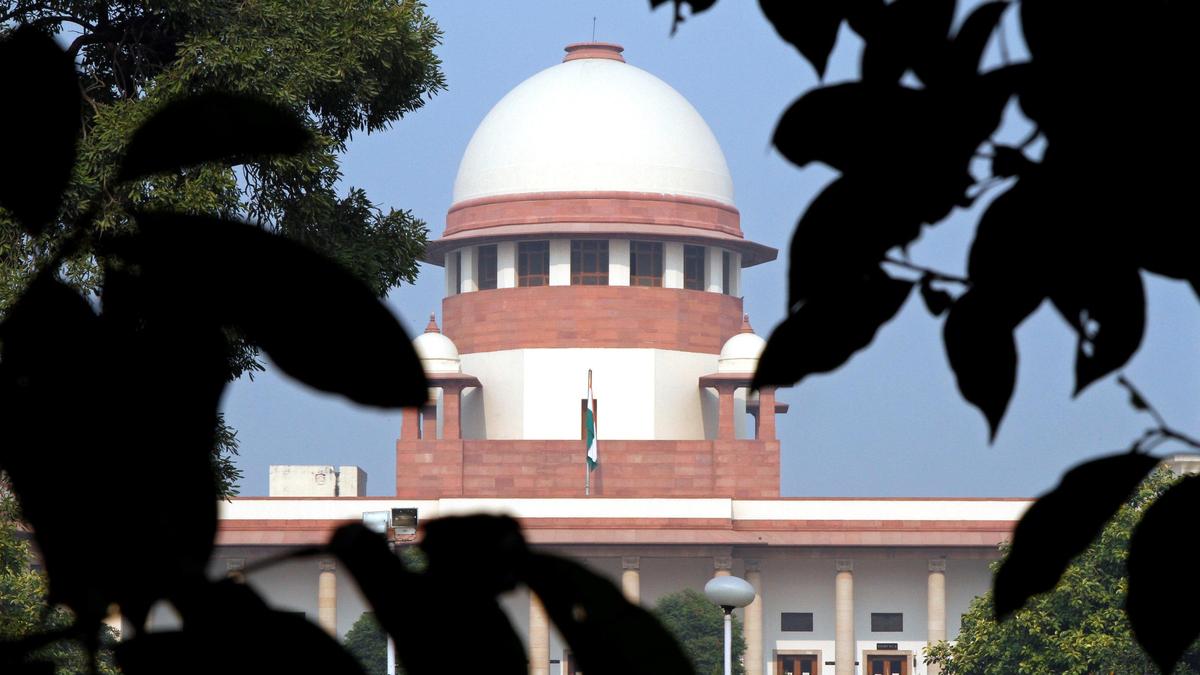
Supreme Court Clears Path for Oil India to Contest Drilling Rejection in Assam's Dibru-Saikhowa National Park
New Delhi, India — The Supreme Court has granted Oil India Limited the right to challenge the denial of their drilling operations in the ecologically sensitive Dibru-Saikhowa National Park, Assam. This significant legal development opens the door for further judicial scrutiny of environmental and economic interests in the region.
In a recent ruling, the apex court allowed Oil India to contest the decision of the National Green Tribunal (NGT) that had previously barred the company from exploring hydrocarbons in the park. The NGT raised concerns regarding potential environmental impacts and the preservation of biodiversity in this vital habitat.
- Legal Context: The Supreme Court's intervention is poised to re-evaluate the balance between environmental conservation and industrial development.
- Environmental Concerns: Conservationists have expressed strong opposition to drilling activities, citing threats to the park's unique flora and fauna.
- Economic Implications: Oil India argues that the exploration is crucial for tapping into the region's untapped natural resources, which could significantly boost the local and national economy.
Oil India's legal team is expected to present a comprehensive case, highlighting measures to mitigate environmental damage while emphasizing the economic benefits of the project. Meanwhile, environmental groups vow to continue their advocacy for the park's protection, underscoring the importance of safeguarding natural habitats from industrial encroachment.
The upcoming legal proceedings could set a precedent for future cases involving industrial activities in environmentally sensitive zones across India. Stakeholders from both sides are closely monitoring the situation as it unfolds.
As the legal battle advances, the Supreme Court's eventual decision will play a crucial role in shaping the future of oil exploration activities in protected areas, balancing ecological preservation with developmental aspirations.

 Continue With Google
Comments (0)