


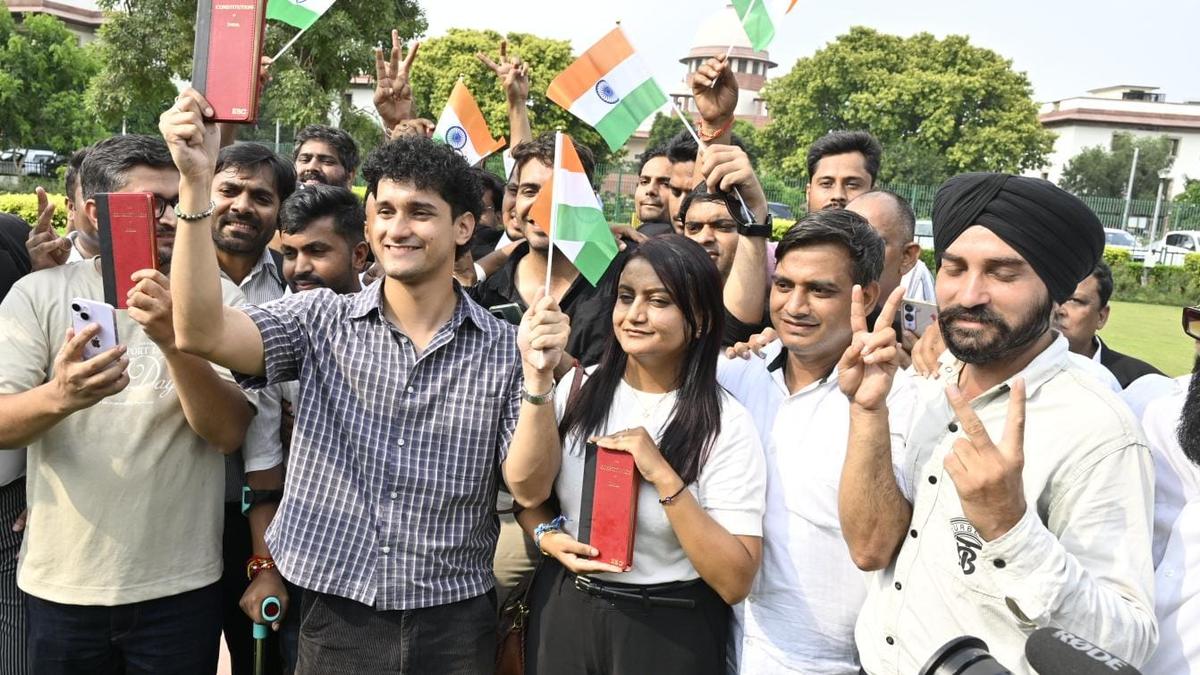
Supreme Court Leverages Article 142 to Quash FIRs Against Gen Z NEET-UG Protesters
New Delhi, India: In a landmark judgment, the Supreme Court of India has invoked Article 142 of the Constitution to dismiss First Information Reports (FIRs) lodged against a group of Gen Z protestors advocating for changes to the NEET-UG examination process.
The apex court's decision brings a significant relief to young activists who have been at the forefront of a nationwide movement demanding educational reforms. The ruling underscores the court's commitment to safeguarding the democratic right to peaceful protest, while also ensuring that the legal system does not become a tool for stifling dissent.
- Background: The protestors, primarily students, had been actively campaigning against certain aspects of the NEET-UG examination system, arguing that it is flawed and unfair.
- Legal Proceedings: FIRs were filed against these protestors citing various charges, which many believed were intended to curb their activism.
- Supreme Court's Intervention: The court used its powers under Article 142, which allows it to pass any order necessary for doing complete justice in any cause or matter pending before it.
Implications: This judgment sets a precedent for future cases involving the fundamental right to protest, reaffirming the judiciary's role in balancing state authority with individual freedoms. Legal experts have hailed the decision as a pivotal moment for democratic rights in India.
While the Supreme Court's use of Article 142 is not unprecedented, this decision highlights its potential to address complex situations where conventional legal remedies may fall short.
Conclusion: As the dust settles, both protestors and legal circles view this judgment as a triumph of justice. It sends a clear message that the right to voice dissent, particularly among the youth, remains a cornerstone of India's democratic ethos.

 Continue With Google
Comments (0)