


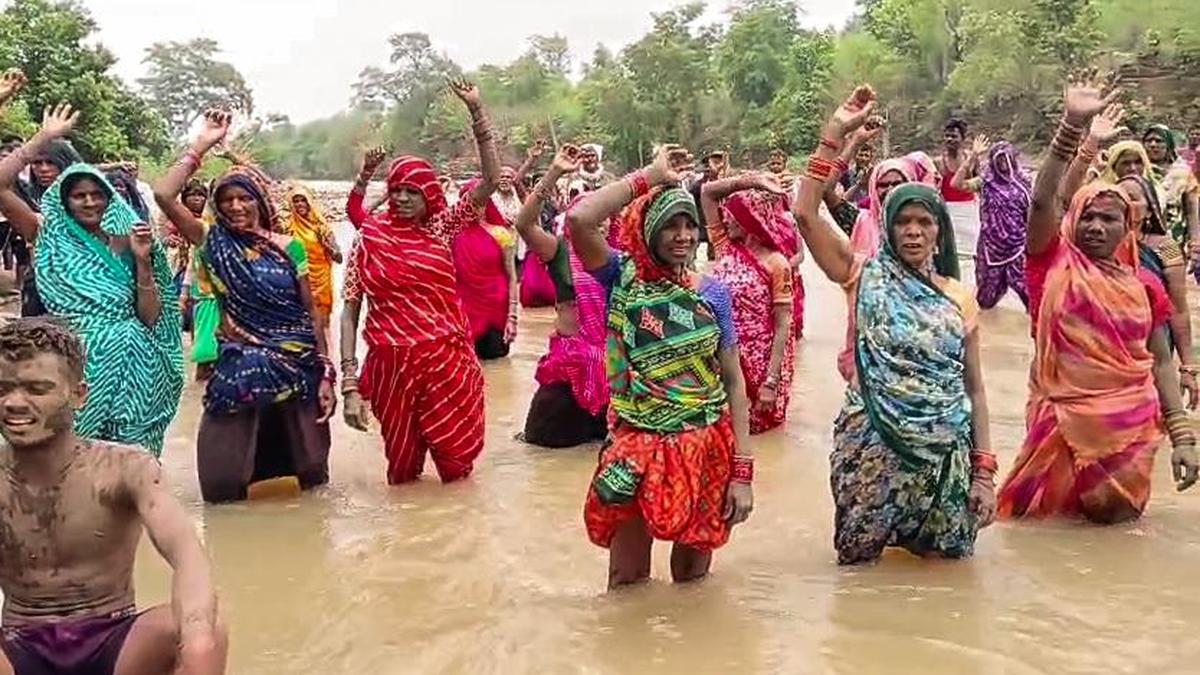
Adivasis Firmly Oppose Ken-Betwa River Linking Project in Madhya Pradesh
Madhya Pradesh, India — In a bold stance against the proposed Ken-Betwa River Linking Project, Adivasi communities in Madhya Pradesh have united to voice their concerns. The project, aimed at addressing water scarcity through interlinking rivers, has met with significant resistance from local indigenous groups who fear adverse impacts on their livelihoods and environment.
The Ken-Betwa River Linking Project, part of an ambitious national plan to connect India's rivers, is intended to redistribute water resources more evenly across regions. While the government emphasizes the project's potential benefits, the Adivasi communities highlight the potential risks, including displacement, ecological damage, and loss of traditional lands.
- Displacement Concerns: The project threatens to displace thousands of Adivasi families, uprooting their lives and traditions.
- Ecological Impact: Environmentalists alongside Adivasis warn of significant ecological disruption, including threats to local wildlife and biodiversity.
- Economic Implications: Loss of fertile land and forest resources could lead to severe economic hardships for communities reliant on agriculture and forest produce.
Despite assurances from authorities about compensation and rehabilitation plans, the Adivasis remain unconvinced. They argue that the cultural and environmental costs far outweigh the proposed benefits of the project. The communities demand a comprehensive assessment of the project's impact and call for the inclusion of their voices in any decision-making processes.
As tensions rise, the Adivasis have organized protests and are appealing to both state and national governments to reconsider the project's implementation. They seek solidarity from environmental groups and human rights organizations to bolster their cause.
Conclusion: The Adivasi opposition to the Ken-Betwa River Linking Project underscores the critical need for inclusive development policies that respect indigenous rights and prioritize environmental sustainability. As the government moves forward, it faces the challenge of balancing infrastructural progress with the preservation of cultural heritage and ecological integrity.

 Continue With Google
Comments (0)