


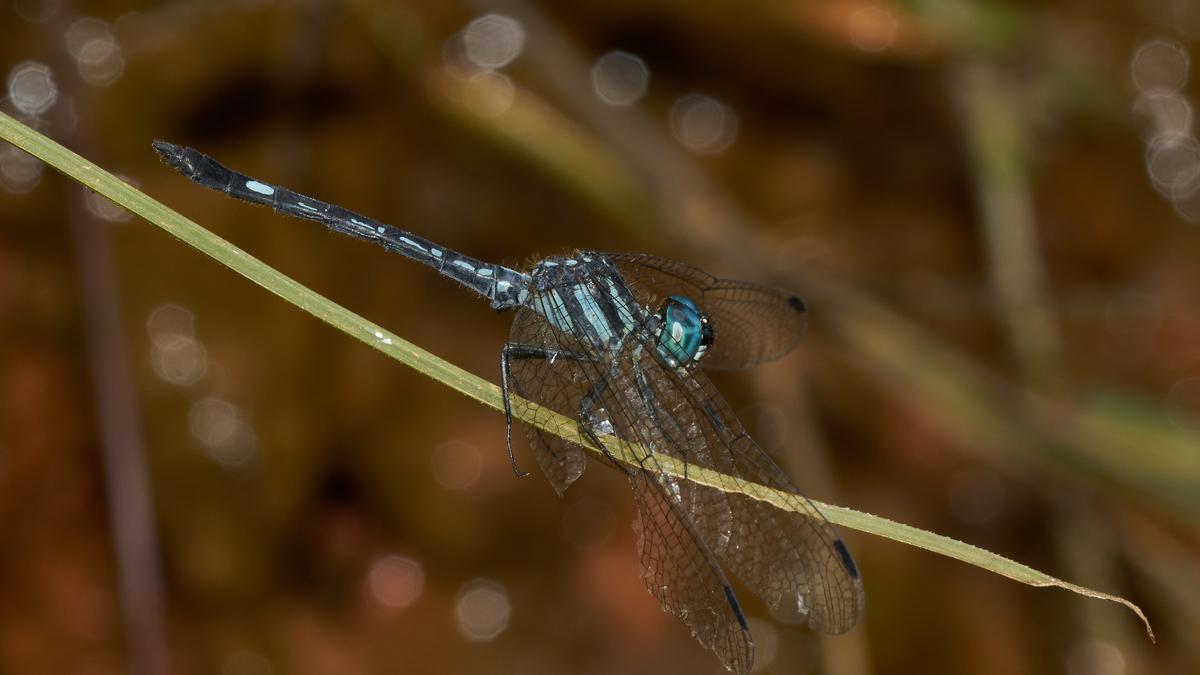
Dragonflies: Guardians of Ecosystem Health and Vital Environmental Indicators
By [Your Name]
Dragonflies, with their vibrant colors and acrobatic flight patterns, are more than just a visual delight. These remarkable insects serve as crucial indicators of the health of local ecosystems. Recent studies highlight their pivotal role in signaling environmental changes, making them essential to ecological research and conservation efforts.
As climate change and human activities continue to impact natural habitats, dragonflies provide valuable insights into the state of freshwater ecosystems. These insects, which spend a significant portion of their life cycle in water, are extremely sensitive to pollution, water quality, and temperature changes. Their presence, abundance, and diversity can reveal much about the environmental conditions of a given area.
Key Insights on Dragonflies as Environmental Indicators:
- Water Quality Assessment: Dragonflies thrive in clean water bodies. A healthy dragonfly population often indicates good water quality and minimal pollution.
- Biodiversity Markers: A diverse range of dragonfly species suggests a rich and balanced ecosystem, supporting various forms of life.
- Climate Change Observations: Shifts in dragonfly populations and migration patterns can provide early warnings of climate change effects on local environments.
Conservationists and researchers are increasingly relying on dragonflies to monitor and manage ecological health. By protecting these insects and their habitats, we not only safeguard our biodiversity but also enhance our understanding of environmental dynamics.
In conclusion, the presence and health of dragonflies serve as a natural barometer for ecosystem vitality. As we continue to face environmental challenges, these small yet mighty insects remind us of the delicate balance within our natural world and the urgent need for sustainable practices.
For more insights on environmental conservation and research, stay tuned to [Your News Portal Name].






 Continue With Google
Comments (0)