


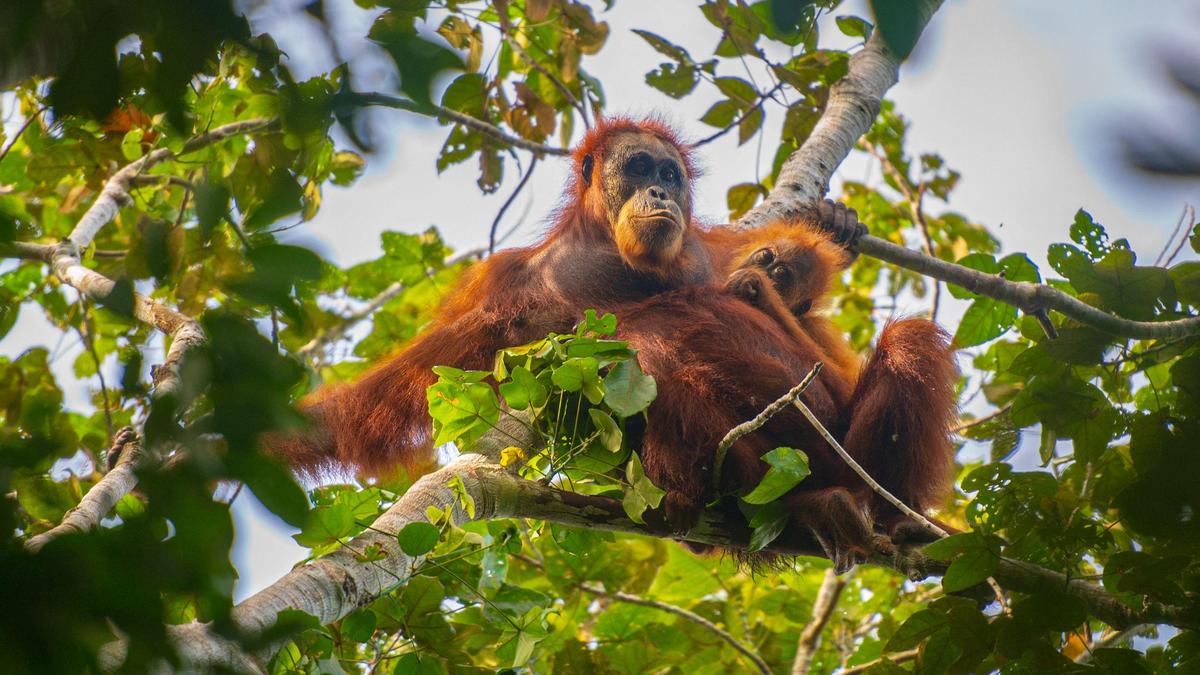
AI-Generated Wildlife Images Raise Concerns Among Conservationists Over Public Safety and Misleading Information
By [Author Name]
In an era where artificial intelligence is rapidly advancing, the emergence of AI-generated wildlife images has sparked significant concerns among conservationists. These expertly crafted images, while visually stunning, pose potential threats to public safety and the dissemination of accurate information about wildlife.
Conservationists warn that the realistic nature of these AI-generated images can easily mislead the public, leading to misconceptions about endangered species and their habitats. This misinformation may have far-reaching implications, affecting conservation efforts and public perception of wildlife protection.
- Public Safety Risks: Some AI-generated images depict wildlife in seemingly dangerous or misleading scenarios, which could influence individuals to engage in risky behaviors when encountering real wildlife.
- Misleading Information: The proliferation of these images on social media platforms can blur the line between reality and fiction, making it difficult for the public to distinguish between genuine wildlife photographs and AI-created content.
- Impact on Conservation: False representations of wildlife could undermine conservation campaigns, diverting attention and resources away from real-world conservation needs.
Experts Call for Responsible Use: Conservationists are urging tech companies and content creators to exercise caution and responsibility when deploying AI technologies in wildlife imagery. They emphasize the importance of clear labeling and disclaimers to ensure audiences are aware when they are viewing AI-generated content.
In conclusion, while AI-generated images offer exciting possibilities for creativity and education, it is crucial to balance these innovations with the responsibility of preserving the integrity of wildlife information. As AI technology continues to develop, collaboration between technologists and conservationists will be key to protecting both public safety and the natural world.




 Continue With Google
Comments (0)