


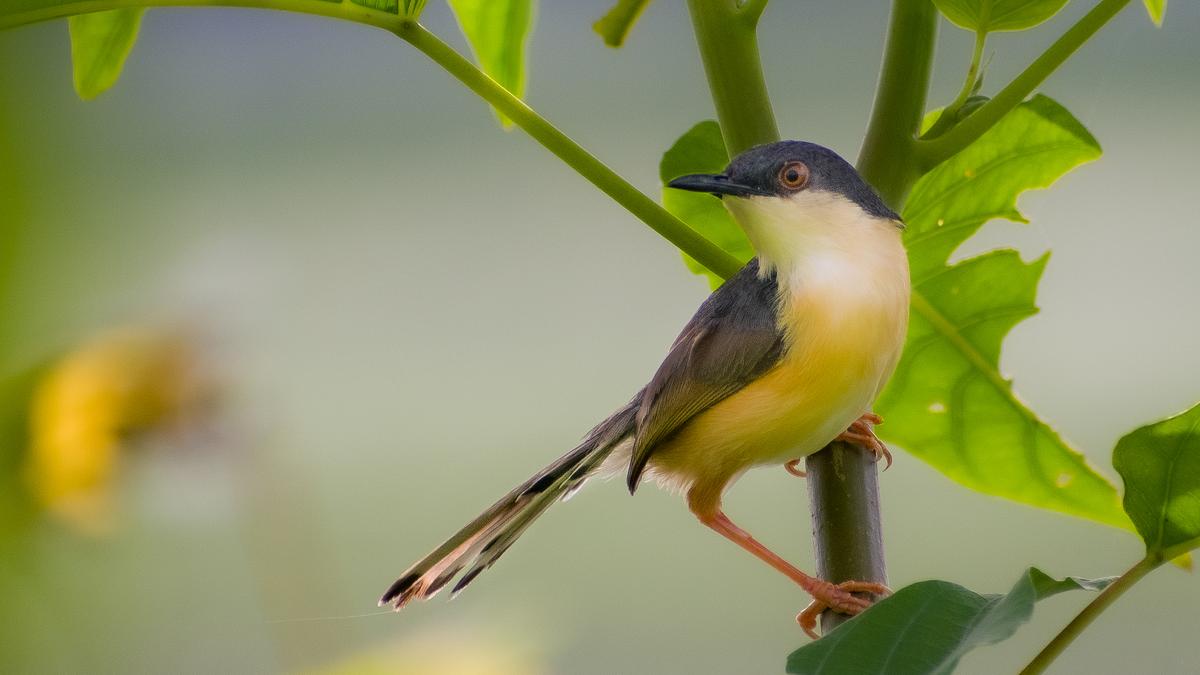
Melbourne's Melodies: Unraveling the Evolution of Bird Songs in Australia
Melbourne, Australia – A fascinating symphony is unfolding in the skies over Melbourne as scientists delve into the evolution of bird songs, offering fresh insights into the avian world. This groundbreaking study is not just music to the ears of ornithologists, but it also sheds light on the broader ecological dynamics at play across Australia.
In recent years, researchers have observed significant changes in the vocalizations of various bird species native to the region. This evolution in bird songs is attributed to a combination of environmental factors, including climate change, urbanization, and habitat loss, which are reshaping the natural soundscape of the Australian wilderness.
Key Findings:
- Climate Impact: Rising temperatures and shifting weather patterns are prompting birds to alter their song frequencies and patterns, adapting to new environmental conditions.
- Urbanization Effects: As cities expand, urban noise pollution is forcing birds to modify their calls to communicate effectively amidst the cacophony of city life.
- Habitat Changes: Deforestation and habitat fragmentation are driving species to migrate, resulting in a blend of regional song variations as birds encounter new communities.
The study emphasizes the importance of understanding these changes, as bird songs play a crucial role in mating rituals, territory defense, and inter-species communication. Scientists urge policymakers and conservationists to prioritize efforts in preserving natural habitats and mitigating urban noise to safeguard these avian symphonies.
Conclusion: The evolution of bird songs in Melbourne is a testament to the resilience of nature amidst human-induced challenges. As researchers continue to unravel the mysteries of these melodies, there is hope that their findings will inspire effective conservation strategies, ensuring that future generations can enjoy the harmonious sounds of Australia's avian inhabitants.






 Continue With Google
Comments (0)