


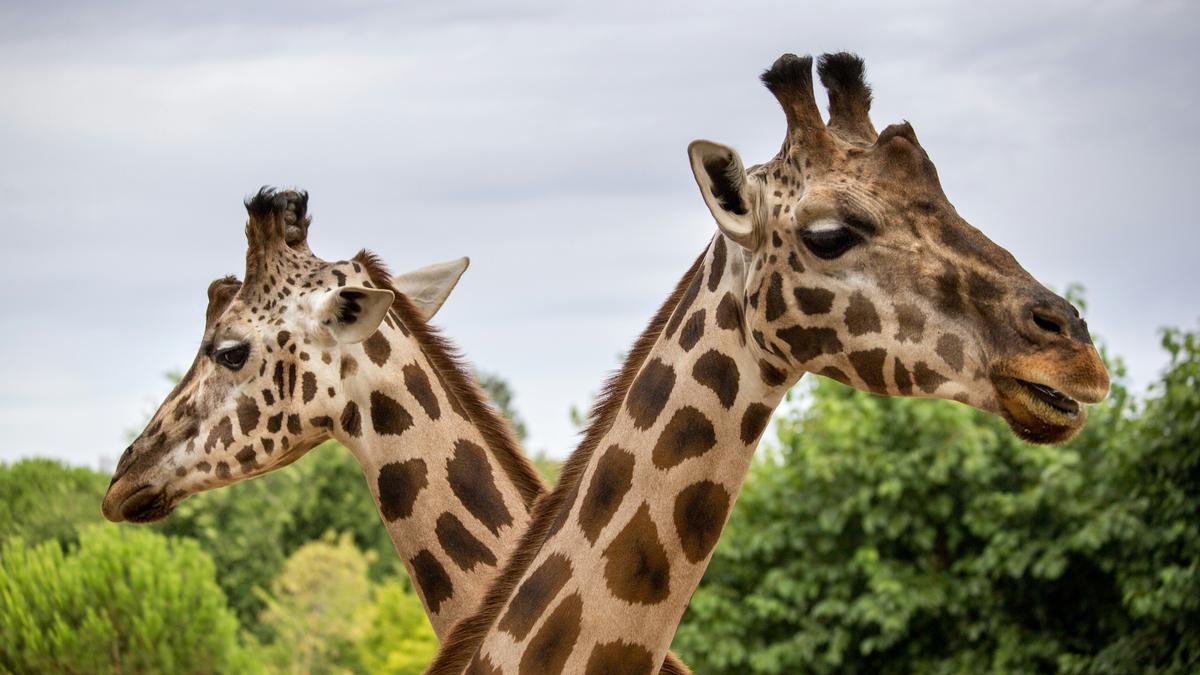
Why Do Humans Struggle to Differentiate Between Animal Faces?
Exploring the Cognitive Challenges behind Animal Face Recognition
Humans have an innate ability to recognize and differentiate between countless human faces with remarkable precision. Yet, when it comes to identifying individual animal faces, many people find themselves at a loss. What underlies this fascinating discrepancy in face recognition capabilities?
Recent research delves into the cognitive mechanisms that make distinguishing between animal faces a challenging task for humans. These studies suggest that the human brain is wired to excel at recognizing human features, a skill honed through millions of years of evolution. This proficiency, however, does not automatically extend to animal faces, which often lack the distinctive features humans rely on for quick identification.
- Evolutionary Perspective: Human brain development has been heavily focused on social interaction and communication, making it adept at discerning subtle differences in human facial features.
- Lack of Exposure: Unlike human faces, most people do not have frequent, meaningful interactions with individual animals, limiting their ability to recognize and remember specific animal faces.
- Feature Similarity: Many animals, especially within the same species, have faces that appear more homogeneous to the human eye, making differentiation difficult without dedicated study.
Experts recommend that those interested in improving their animal face recognition skills engage in targeted training and increased exposure to various animal faces. This can enhance one's ability to notice unique features and patterns that distinguish individual animals.
In conclusion, while humans naturally excel at recognizing human faces, the challenge of distinguishing between animal faces lies in both evolutionary adaptations and experiential limitations. Understanding these underlying causes can pave the way for improved recognition skills through deliberate practice and exposure.





 Continue With Google
Comments (0)